
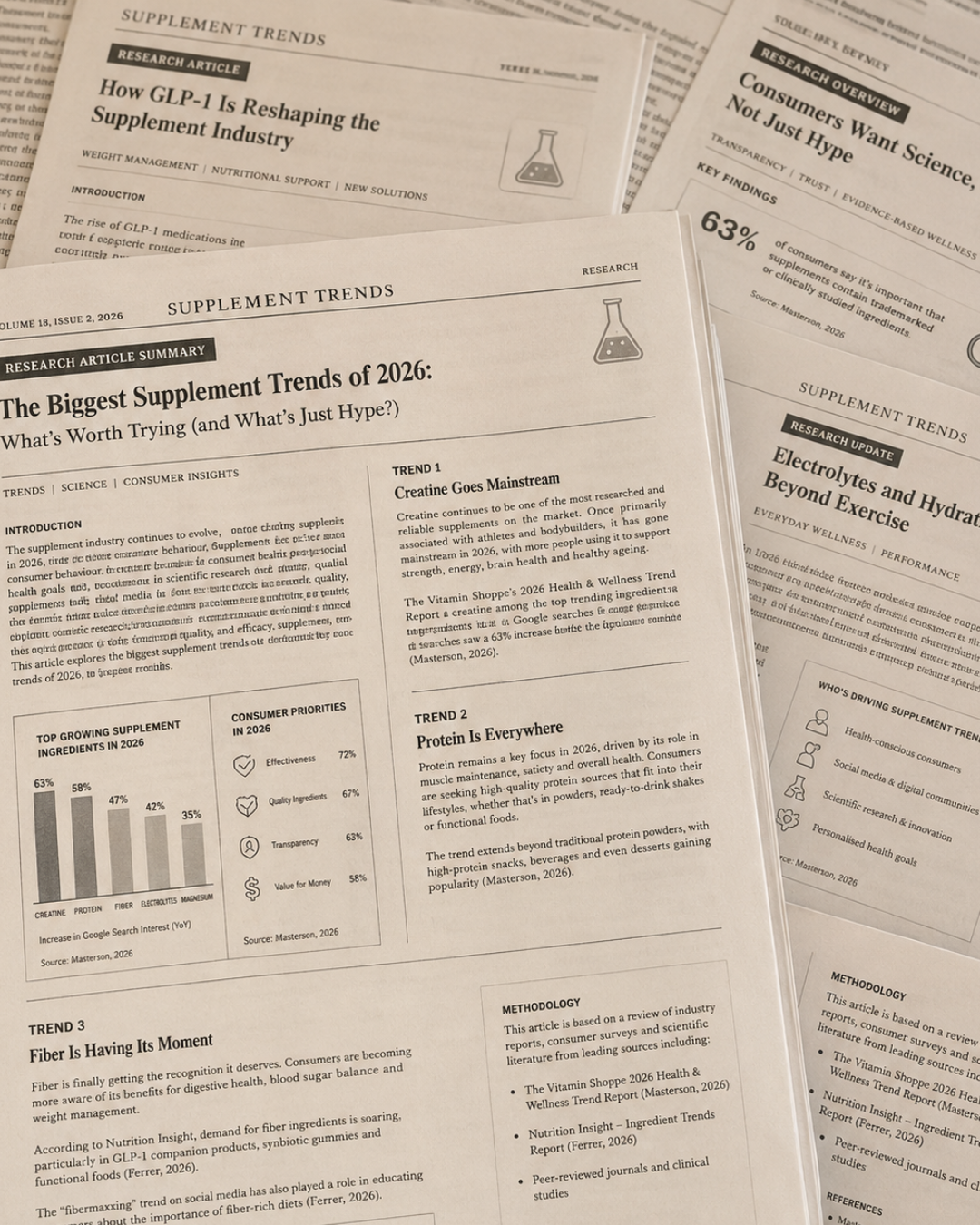
From “fibremaxxing” to viral TikTok recommendations, supplement trends are moving faster than ever. Social media has made it easier than ever to discover new products and wellness ideas, but it’s worth asking: which trends are backed by science, and which are simply having a moment?
Let’s explore some of the biggest supplement trends shaping 2026 and uncover what’s truly worth considering—and what’s best left as a passing fad.
Creatine Goes Mainstream
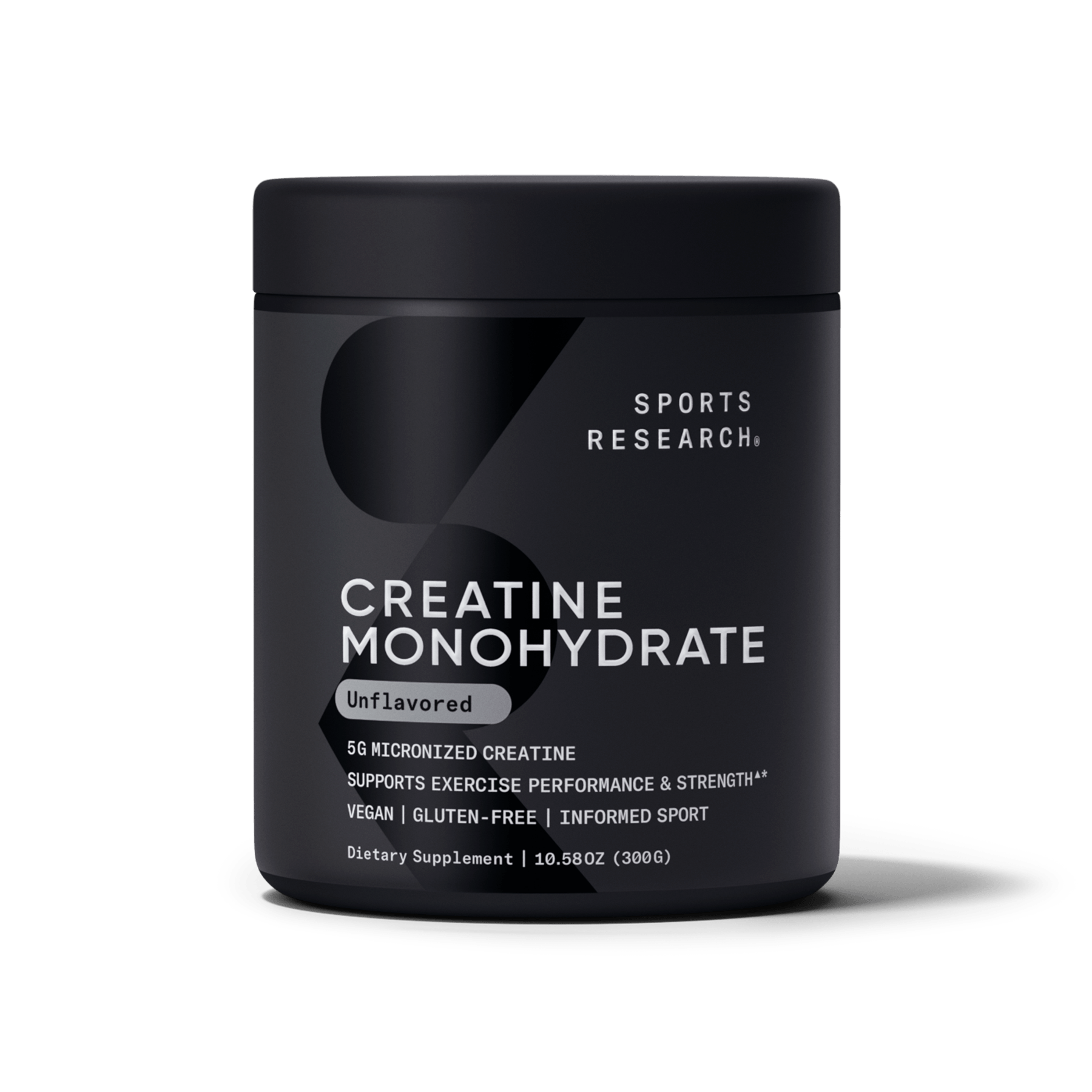
Creatine has evolved beyond its traditional use by bodybuilders and powerlifters. Today, it is increasingly used by runners, hybrid athletes, everyday gym-goers and women, reflecting its growing appeal beyond a predominantly male audience.
This shift is driven by a growing body of research expanding our understanding of creatine beyond athletic performance. While creatine remains well established for supporting strength, power and high-intensity exercise, researchers are also investigating its potential role in cognitive function, muscle preservation during calorie restriction and healthy ageing.
Creatine’s rise from a niche sports supplement to a mainstream wellness staple reflects a broader shift towards evidence-based supplementation. As consumers look beyond traditional sports nutrition, ingredients supported by strong scientific research are becoming increasingly popular across a wider range of health and wellness goals.
Protein is Everywhere
Protein is no longer confined to shakes and sports nutrition products. It has become a staple of everyday eating habits, appearing in everything from coffee and yoghurt to breakfast cereals, snack bars, ready meals, desserts and beverages.
While protein remains essential for muscle repair, recovery and overall health, the conversation has shifted beyond sports performance. Consumers are increasingly looking for products that support weight management, satiety, healthy ageing and convenience, making protein relevant to a much broader audience.
One of the key drivers behind this shift is the rise of GLP-1 medications. Because these medications suppress appetite, many people find it more difficult to consume enough protein through food alone. As a result, maintaining adequate protein intake has become an increasingly important priority for preserving muscle mass and supporting overall health during weight loss.
While protein is an important part of a balanced diet and should be consumed daily, it doesn’t need to come from every high-protein product on the shelf. Rather than chasing the “protein everything” trend, focus on meeting your individual protein needs through a balanced diet, using protein supplements or fortified foods as a convenient way to help fill any gaps when needed.
 Fibre Is Having Its Moment
Gut health has expanded far beyond digestive comfort, with consumers increasingly recognising the important role the gut microbiome plays in overall wellbeing. Research continues to explore the connection between gut health and digestion, immune function, mood, energy levels and inflammation, making the microbiome a key focus in modern wellness5.
This growing understanding of the gut microbiome has shifted the focus from simply managing digestive symptoms to building a stronger foundation for long-term health. As a result, demand is growing for probiotics, prebiotics, postbiotics, dietary fibre and psyllium husk4. Interest in these ingredients is being fuelled by advances in microbiome science, social media trends such as fibremaxxing, the rise of GLP-1 companion products3 and increasing consumer demand for supplements that deliver multiple health benefits.
Among these trends, dietary fibre has emerged as one of the fastest-growing categories. Once viewed primarily as a digestive aid and often overshadowed by protein, fibre is now recognised for its role in supporting gut health, satiety, metabolic health and healthy eating habits6. This growing recognition has positioned dietary fibre as a key area of innovation in modern nutrition.
How GLP-1 Is Reshaping the Supplement Industry
One of the biggest structural shifts currently reshaping the supplement industry is the rise of GLP-1 medications. Their increasing use for weight management is prompting supplement companies to adapt to changing consumer needs.
Nutritional Challenges of GLP-1 Medications
Rather than focusing solely on traditional weight-loss supplements, the industry is seeing growing demand for companion supplements designed to support nutritional needs during GLP–1 treatment. Because these medications reduce appetite and alter eating habits, consumers are increasingly seeking products that help address three key concerns: maintaining muscle mass, supporting adequate nutrient intake and managing digestive comfort.
As reduced appetite can make it more difficult to consume enough protein through food alone, preserving muscle mass has become a key focus for both consumers and supplement manufacturers. This has contributed to growing interest in nutritional strategies that help preserve muscle mass and support overall health during weight loss.
The Rise of GLP-1 Companion Products
At the same time, interest is growing in natural approaches that support satiety and metabolic health, including berberine, soluble fibre and certain probiotic strains5. In response to this shift, many supplement brands are also developing and marketing products as “GLP-1-friendly”—formulations typically designed to support protein intake, digestive health and overall nutritional adequacy for people using GLP-1 medications for weight management and diabetes3.
As GLP-1 medications reshape consumer health priorities, the supplement industry is evolving in response, with greater emphasis on protein, fibre, digestive support and evidence-based formulations that complement long-term health goals.
 Consumers Want Science, Not Just Hype
In 2026, consumers are becoming more informed and selective. Demand for greater transparency in the supplement industry has surged due to improved access to information and heightened health awareness. This shift is reflected in consumer behaviour, with 63% of consumers reporting that they trusted trademarked ingredients more than generic alternatives6.
Consumers are no longer satisfied with vague claims, they want evidence, transparency and accountability. They expect clear ingredient information, sourcing details, scientific evidence and reassurance around quality and safety. Research reinforces this trend. Sansome et al. (2025) found that transparent communication helps brands better meet consumers’ information needs and plays an important role in shaping perceptions of trust and credibility.
Nearly half of consumers surveyed indicated they would avoid purchasing a supplement if the formulation lacked sufficient transparency6. As a result, openness has become closely linked with responsible business practices. Transparency builds trust, strengthens brand reputation and sends a clear message to consumers: this brand has nothing to hide2.
Trust is becoming just as important as product efficacy when consumers choose supplements. Brands that are open about their ingredients, sourcing and quality standards are better positioned to build long-term trust and customer loyalty. In today’s market, transparency is no longer a competitive advantage, it’s an expectation.
Final Thoughts
Supplement trends will continue to evolve, but not every trend deserves a place in your daily routine. While social media can be a great way to discover new products and ideas, it’s important to look beyond the hype and consider the evidence behind them.
Whether it's the growing popularity of creatine, protein, fibre or the rise of GLP-1 companion products, the most meaningful trends are those supported by scientific research and genuine consumer needs. Many of these trends also reflect a broader shift towards personalised nutrition, with consumers increasingly seeking supplements tailored to their individual health needs, lifestyle and goals.
By choosing supplements backed by quality, transparency and scientific evidence, you can make more informed decisions that support your long-term health and wellbeing.
Sources
- https://doi.org/10.1016/j.jbusres.2025.115386
- https://www.inriver.com/resources/consumer-demand-transparency-health-product/
- https://www.nutritioninsight.com/news/gut-health-fiber-roquette-beneo-topgum-ingredion.html
- https://www.biohealth-int.com/en/news-detail/supplement-trends-2026
- https://www.wallabywellness.com.au/blogs/news/australian-supplement-industry-statistics
- https://www.nutraingredients.com/Article/2026/06/29/top-trends-shaping-supplement-purchases-in-2026-according-to-the-vitamin-shoppe/