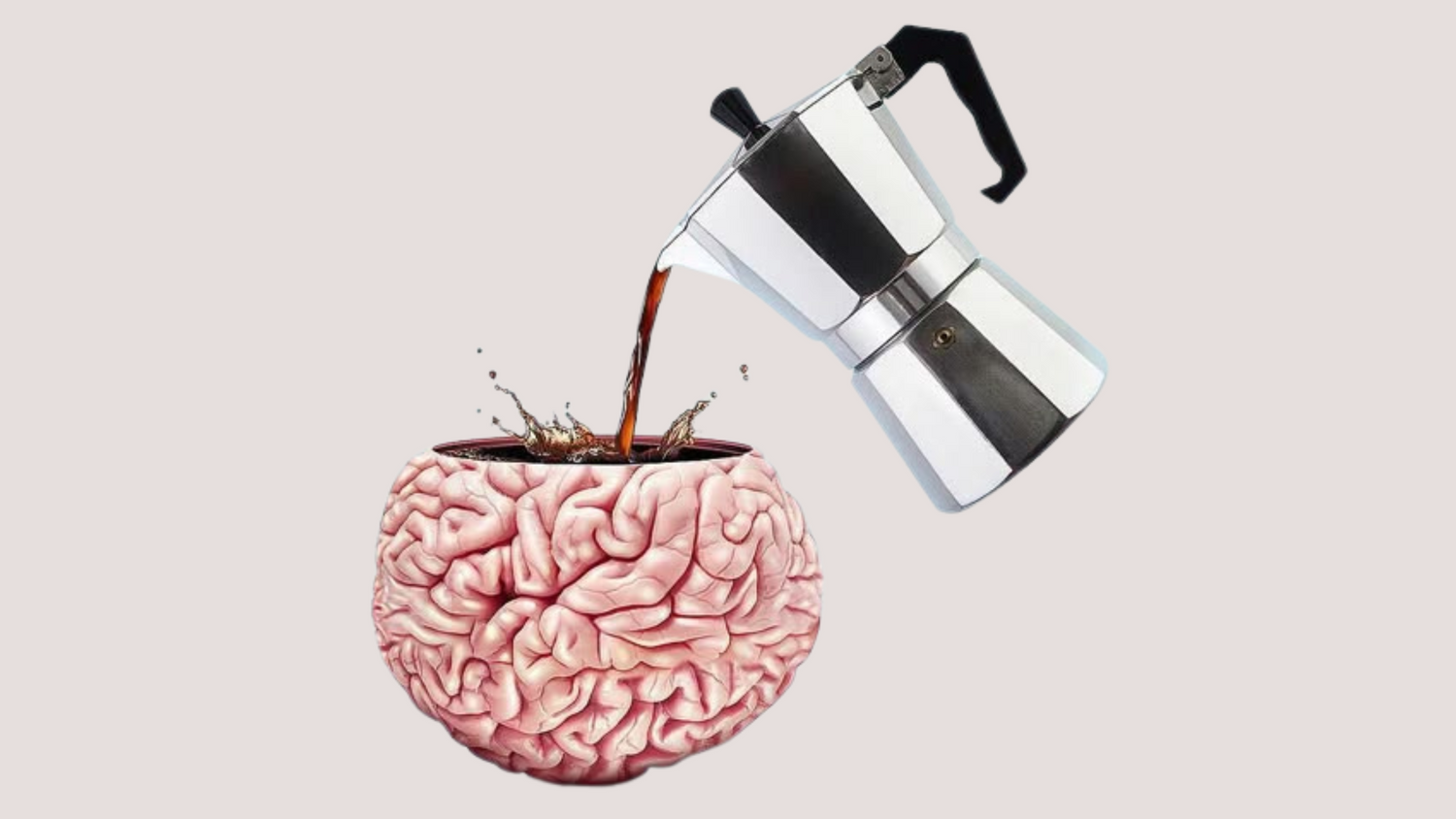
Coffee is a globally loved ritual. In Australia alone, over 75% of adults consume at least one cup daily. But beyond its aroma and energy kick, what's actually happening in your brain when you drink coffee?
The Original Productivity Booster: Coffee
Coffee is more than a morning ritual; it's a cultural cornerstone. Coffee delivers a fest, familiar energy hit. But what's going on under the hood?
How Coffee Works
The magic ingredient is caffeine, a central nervous system stimulant. Caffeine works by blocking adenosine receptors in your brain. Adenosine is a neurotransmitter that builds up over the day and makes you feel sleepy (1). When it's blocked, the brain ramps up activity, releasing dopamine and norepinephrine that that makes you feel alert, focused, and ready to tackle your to-do-list.
Pros of Coffee
- Rapid energy and increased alertness
- Improved mood and motivation
- Enhanced physical performance
- Neuroprotective in moderate, regular use
But coffee isn't perfect.
Cons of Coffee
- The crash: Caffeine wears off fast, leading to fatigue or irritability
- Jitters & anxiety: Especially in higher doses or sensitive individuals
- Sleep disruption: Even a 2PM cup can interfere with deep sleep
- Nutrient depletion: Can reduce absorption of iron, magnesium, and B vitamins
- Tolerance: You may need more over time for the same effect
Coffee is great for short-term simulation, but not always ideal for sustainable focus or long-term brain health (2).
What are Nootropics?
Nootropics, also known as "smart drugs" or cognitive enhancers, are a category of substances designed to improve mental performance. This includes natural compounds, vitamins, adaptogens, and in some cases, pharmaceuticals (3).
What They Do
Nootropics can support:
- Focus and attention
- Working and long-term memory
- Learning capacity
- Creativity and motivation
- Stress resilience and mood balance
Unlike caffeine, which acts primarily via one mechanism, nootropics include hundreds of substances that work in many different ways, from modulating neurotransmitters, improving blood flow to the brain, reducing inflammation, or even stimulating the growth of new brain cells.
Pros of Nootropics
- Targeted cognitive support (not just a "buzz")
- Can be stimulating or calming, depending on the stack
- Often include adaptogens (e.g. Rhodiola) and neuroprotective ingredients (e.g. Lion's Mane)
- No crash, smoother energy profile
- Potential long-term brain benefits
Cons of Nootropics
- Complexity: Requires research to find what works best for you
- Cost: Premium nootropic stacks can be more expensive than coffee
- Regulation: Legal status and availability may vary by country
- Effects are subtle: Some take time to build or are less noticeable than caffeine (4)
Is Coffee a Nootropic?
Yes, caffeine technically is a nootropic. It's the most consumed psychoactive substance in the world and is known to enhance alertness, focus, and mood (5).
However, coffee has limits. It's a single substance that mainly stimulates, while many nootropics offer multi-dimensional brain support, promoting focus while also managing stress, enhancing memory, or supporting long-term brain function.
The Smartest Strategy? Combine Them.
Instead of choosing coffee or nootropics, many people are now combining the two. The key is using caffeine synergistically, balancing its stimulation with other compounds that enhance benefits and reduce drawbacks (6).
|
Combo |
Why it Works |
|
Caffeine + L-Theanine |
L-Theanine (from green tea) calms the nervous system, smoothing out coffee’s jittery effects while enhancing focus and reaction time (7) |
|
Caffeine + Citicoline |
Citicoline supports acetylcholine, the neurotransmitter involved in memory and mental clarity, leading to sharper thinking without the crash (8) |
|
Caffeine + Rhodiola Rosea |
Rhodiola is an adaptogen that supports stress resilience and energy, helping prevent the “wired and tired” feeling from caffeine (9) |
|
Coffee + Lion’s Mane |
Lion’s Mane mushroom may support neuroplasticity and memory over time, combining short-term stimulation with long-term brain support (10) |
Final Thoughts: Choose Smart Energy
Coffee is familiar, accessible, and undeniably effective, but not always the best option for sustained focus or long-term brain health. Nootropics offer a customisable, holistic approach to brain performance, and when combined with coffee, you can unlock clearer, calmer, long-lasting energy.
Whether you're a student cramming for final exams, a busy professional juggling tasks, or just someone who wants to feel mentally sharp without the crash, understanding the difference between these two brain boosters can help you think smarter.
References
- https://www.sciencedirect.com/science/article/abs/pii/S0149763410000035?via%3Dihub
- https://www.healthline.com/nutrition/coffee-good-or-bad
- https://barbarambrody.com/clients/barbara/wp-content/uploads/2019/08/Nootropics-%E2%80%9CSmart-Drugs%E2%80%9D-or-%E2%80%9CCognitive-Enhancers%E2%80%9D_-What-to-Know.pdf
- https://pmc.ncbi.nlm.nih.gov/articles/PMC9415189/
- https://www.mindlabpro.com/blogs/nootropics/is-caffeine-a-nootropic?srsltid=AfmBOop3Xf1BWLFOtj5_ApGYzTrFsEth0W7GK4d3rxjZ4I5O9uJVMeEA
- https://brainmd.com/blog/caffeine-and-nootropics-top-risks-and-benefits/#:~:text=Using%20caffeine%20and%20nootropics%20may,effect%20that%20amplifies%20overall%20productivity.
- https://pubmed.ncbi.nlm.nih.gov/18681988/
- https://pmc.ncbi.nlm.nih.gov/articles/PMC4517431/
- https://www.mdpi.com/2072-6643/17/4/681#:~:text=Rhodiola%20rosea%20(RHO)%20and%20caffeine%20(CAF)%20have%20garnered,for%20its%20fitness%2Denhancing%20properties.
- https://wbroast.co.uk/blogs/news/the-benefits-of-combining-lions-mane-mushrooms-and-coffee?srsltid=AfmBOoo9C2lYKajen19u0crwrHlDnFK9GUdtE7RpkbJQ8cUuGXp4rL2y